Forensic Medicine and Toxicology
Introduction
The Department of Forensic Medicine and Toxicology at AIIMS Bilaspur, established in 2021, is located on the 4th floor of the Academic Block of the Institute. Since its inception, the Department has been committed to academic excellence, ethical practice, and the delivery of reliable medico-legal services in the region.
The Department plays a crucial role in undergraduate medical education by training students through a competency-based curriculum supported by hands-on learning, case-based discussions, demonstrations, and modern teaching modalities. It is well equipped with teaching models, museum specimens, charts, and instructional aids that help students understand complex medico-legal concepts while fostering creativity and scientific reasoning.
Special emphasis is placed on research and scholarly activity, with an academic environment that encourages scientific enquiry in forensic pathology, toxicology, and applied forensic science. Faculty and students are actively involved in research initiatives intended to improve medico-legal practice and contribute meaningfully to academic literature.
The Department delivers dedicated medico-legal services to the community, with particular relevance to the hilly and rural terrain of Himachal Pradesh, catering to the healthcare and forensic needs of remote, tribal, and underserved populations. The unique geographical challenges and trauma patterns of the region are addressed through clinically relevant training and service orientation.
Interdepartmental collaboration forms a key pillar of service delivery. The Department works closely with the Department of Emergency Medicine for the management and documentation of medico-legal cases, and with the Department of Pathology for histopathological examination of forensic specimens. This integrated, multidisciplinary approach ensures accuracy in diagnosis, consistency in documentation, and adherence to judicial standards.
By combining medical education, community service, and research excellence, the Department strives to serve as a regional hub for medico-legal expertise while supporting the administration of justice and public health systems.
Vision Statement
- To achieve excellence and integrity in the field of Forensic Medicine by maintaining a balanced approach to teaching, research, and medico-legal services.
- To develop into a centre of excellence in Forensic Medicine and allied branches of forensic science, serving both academic and community needs.
Mission Statement
- To produce ethically sound, professionally competent physicians capable of independently handling medico-legal responsibilities.
- To provide comprehensive, accurate, and community-oriented medico-legal services through innovation, interdepartmental coordination, and evidence-based practices.
Faculty
Faculty
The Department of Forensic Medicine & Toxicology is staffed by a dedicated team of faculty members with expertise across multiple domains including forensic pathology, clinical forensic medicine, medical toxicology, forensic radiology, medico-legal jurisprudence, and forensic anthropology.
Faculty members are actively involved in undergraduate teaching, medico-legal casework, academic mentoring, and research activities. The Department maintains a strong culture of academic discipline, ethical practice, and continuous professional development.
Interdepartmental coordination with other departments ensures structured learning exposure, optimal management of medico-legal cases, and accuracy in forensic histopathology reporting.
| Sr. No. | Photo | Name & Qualifications | Designation | Areas of Interest | Email ID / ORCID ID / ResearchGate |
|---|---|---|---|---|---|
| 1 | 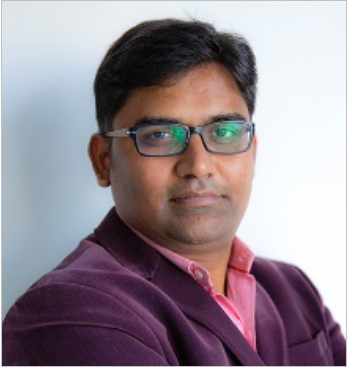 |
Dr Yatiraj Singi MBBS, MD |
Professor | Clinical Forensic Medicine Forensic Anthropology Medical Ethics |
dr.yatiraj.fmt@aiimsbilaspur.edu.in ORCID ID: 0000-0002-0884-182X |
| 2 | 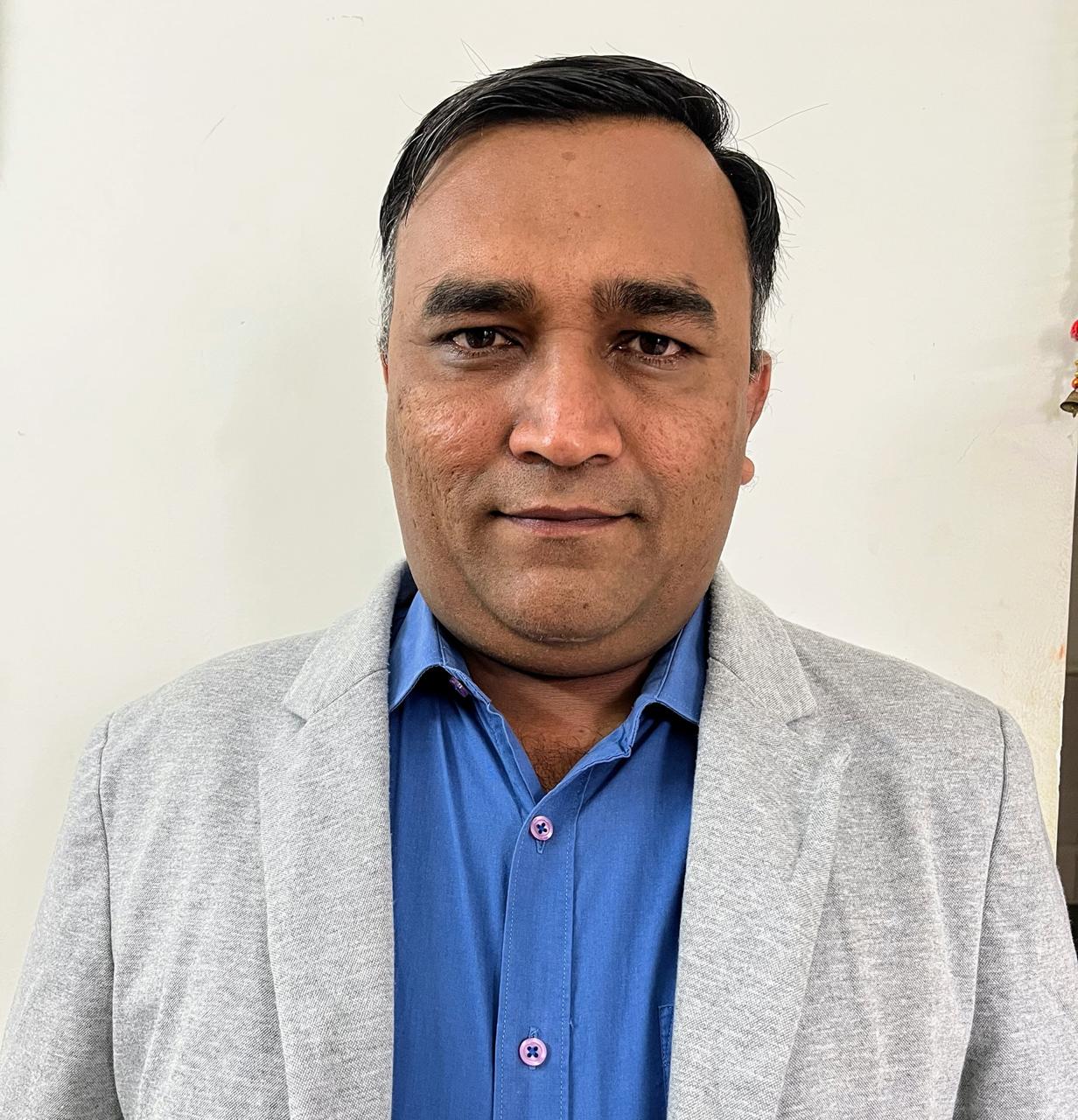 |
Dr Dipen Dabhi | Additional Professor | Trauma Analytical Toxicology |
dr.dipen.fmt@aiimsbilaspur.edu.in |
| 3 | 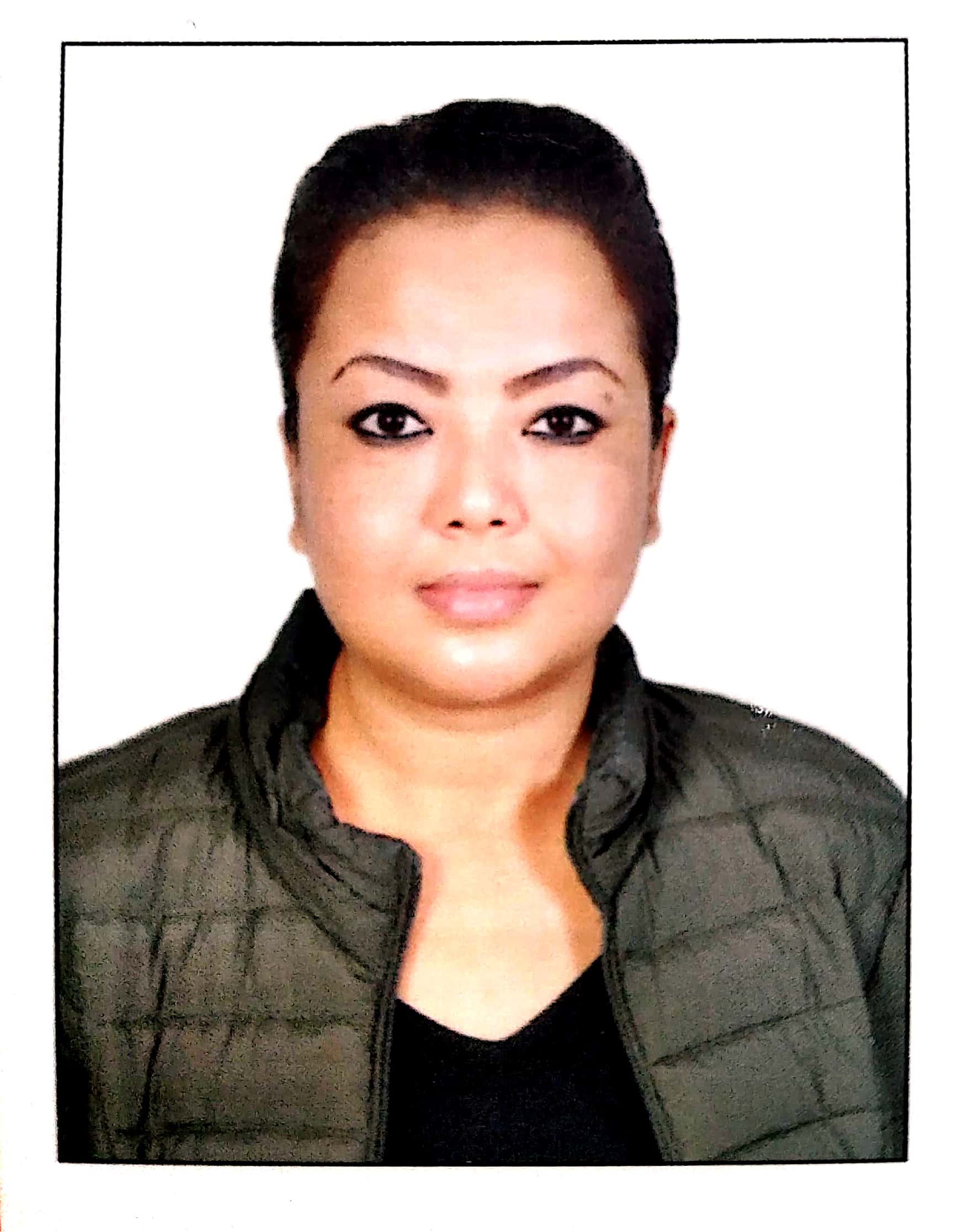 |
Dr. Pooja Gajmer | Associate Professor | Clinical Forensic Medicine Forensic Anthropology Forensic Psychiatry |
dr.pooja.fmt@aiimsbilaspur.edu.in |
Services
The Department of Forensic Medicine & Toxicology provides comprehensive medico-legal services to the hospital as well as the surrounding community. Services are delivered with a commitment to accuracy, ethical practice, and timely reporting, in coordination with clinical departments and statutory authorities.
1. Mortuary Services
The Department operates mortuary services in accordance with standard medico-legal protocols and statutory requirements.
- Preservation and handling of bodies
- Identification assistance
- Safe custody for medico-legal cases
- Coordination with investigating agencies and relatives
2. Medico-Legal Postmortem Examination
Medico-legal autopsies are conducted with scientific precision and legal compliance.
- Cause-of-death determination
- Detailed injury documentation
- Evaluation of foul play, poisoning, and unnatural deaths
- Preparation of legally valid postmortem reports
Where applicable, postmortem findings are correlated with clinical records, police inquests, and laboratory investigations.
3. Computerized Postmortem Reporting
The Department utilizes computerized systems for postmortem documentation and reporting, ensuring:
- Accuracy and uniformity of reports
- Easy retrieval of records
- Reduction in clerical errors
- Timely dispatch of medico-legal documentation
4. Toxicology Support
The Department provides expert assistance in cases of suspected:
- Poisoning
- Substance abuse
- Overdose-related deaths
Samples are collected, preserved, and forwarded according to standard toxicological guidelines. Interpretation support is also provided after receipt of laboratory reports.
5. Clinical Forensic Medicine Unit
The Clinical Forensic Medicine Unit handles medico-legal examination of living individuals and provides:
- Injury examination and documentation
- Medico-legal certification
- Expert opinion in assault, accident, and custodial cases
- Follow-up medico-legal evaluation when required
6. Sexual Assault and Child Abuse Examination
The Department provides medico-legal examination and documentation for:
- Adult victims of sexual assault
- Children under the POCSO Act framework
Services are delivered with sensitivity, confidentiality, and legal compliance, in coordination with the Departments of Obstetrics & Gynaecology and Paediatrics, along with concerned authorities.
7. Age Estimation Services
Medico-legal age assessment is provided for:
- Criminal cases
- Civil disputes
- Juvenile justice cases
- Sports authorities
- Government departments
Standard clinical, radiological, and documentary methods are employed as per accepted medico-legal protocols.
8. Medico-Legal Consultation for Hospital Departments
The Department offers expert medico-legal guidance to various clinical departments of AIIMS Bilaspur, including:
- Emergency Medicine
- Surgery
- Orthopaedics
- Obstetrics & Gynaecology
- Paediatrics
- Psychiatry
Support is provided for documentation, certification, medico-legal opinions, and court-related queries.
9. Training & Capacity Building
The Department conducts regular training programs for:
- Medical Officers of Himachal Pradesh
- Mortuary staff and forensic support staff
- Interns and postgraduate trainees (as applicable)
Training includes practical exposure in:
- Autopsy techniques
- Injury interpretation
- Documentation standards
- Court procedures
- Ethical and legal responsibilities
Statistics
The Department of Forensic Medicine & Toxicology maintains comprehensive quantitative records of medico-legal workloads handled through the Emergency Department and the Mortuary. Statistical data are systematically compiled and periodically reviewed to evaluate service load, improve systems of care, and support academic and research activities.
Data are presented in month-wise formats to facilitate transparent reporting, administrative planning, and academic documentation.
1. Medico-Legal Cases in Emergency Department
This section records all medico-legal cases examined and documented by the Department in the Emergency Department, including:
- Road traffic accidents
- Assault cases
- Sexual offences
- Poisoning and intoxication
- Burns and electrocution
- Custodial cases
- Any other legally reportable medical conditions
Month-wise Distribution (Emergency Cases)
| Year | Jan | Feb | Mar | Apr | May | Jun | Jul | Aug | Sep | Oct | Nov | Dec |
|---|---|---|---|---|---|---|---|---|---|---|---|---|
| 2022 | -- | -- | -- | -- | -- | -- | -- | -- | 07 | 38 | 59 | 82 |
| 2023 | 101 | 110 | 132 | 110 | 114 | 138 | 161 | 187 | 207 | 188 | 165 | 168 |
| 2024 | 168 | 164 | 162 | 110 | 114 | 138 | 161 | 187 | 214 | 226 | 224 | 250 |
| 2025 | 269 | 274 | 294 |
2. Medico-Legal Autopsies
This section presents autopsy-related workload, which includes:
- Unnatural deaths
- Suspicious deaths
- Custodial deaths
- Poisoning / overdose
- Burns and trauma-related fatalities
- Unknown body examinations
Month-wise Distribution (Autopsies)
| Year | Jan | Feb | Mar | Apr | May | Jun | Jul | Aug | Sep | Oct | Nov | Dec |
|---|---|---|---|---|---|---|---|---|---|---|---|---|
| 2024 | -- | -- | -- | 06 | 11 | 08 | 22 | 20 | 15 | 13 | 16 | 16 |
| 2025 | 16 | 18 | 14 |
Courses and Short Term Trainings
Courses
Academic Programmes
| Name of the Course | Curriculum | Duration | Present Intake | Objectives / Brief Description |
|---|---|---|---|---|
| MBBS | Institutional Syllabus | 5½ Years | 100/year |
|
| MD (Forensic Medicine & Toxicology) | Institutional Syllabus | 3 Years | 02/year |
|
| Fellowship in Forensic Histopathology | Institutional Syllabus | 1 Year | 01/year |
|
Short-term Training Programmes
The Department also conducts structured short-term training programmes for:
- Medical Officers of Himachal Pradesh
- Interns and Residents
- Mortuary Technicians and Support Staff
- Law Enforcement Officials (as applicable)
Training Areas Include:
- Autopsy techniques
- Injury pattern recognition
- Cause of death analysis
- Documentation and legal compliance
- Chain of custody and specimen handling
- Courtroom procedures and expert testimony
Workshops and hands-on sessions are conducted periodically depending on operational feasibility and institutional schedules.
Research
The Department of Forensic Medicine & Toxicology is actively engaged in research across forensic pathology, toxicology, clinical forensic medicine, and allied disciplines. Faculty members undertake research projects aimed at improving medico-legal practices while contributing to academic advancement and evidence-based forensic science.
Research activities encompass funded projects, postgraduate dissertation work, and scientific publications in peer-reviewed journals.
1. Research Projects
| Title of Project | Investigators | Collaboration | Funding Agency | Project Status |
|---|---|---|---|---|
| Correlation of dimension of hands and feet with stature in Indigenous population of Tribal Districts of Himachal Pradesh | PI: Dr Yatiraj Singi Co-I: Dr Dipen Dabhi |
-- | ICMR (₹5,45,000) | Completed (2024) |
| Correlation of craniofacial measurements with stature in indigenous population of tribal districts of Himachal Pradesh | PI: Dr Dipen Dabhi Co-I: Dr Yatiraj Singi |
-- | Self-funded | Completed (2024) |
| Gender determination by analysing clinical chest X-ray using 9th and 10th thoracic vertebrae by metric method of analysis in North Indian population | PI: Dr Dipen Dabhi Co-I: Dr Yatiraj Singi, Dr Lokesh Rana |
Department of Radiology | Self-funded | Ongoing |
2. Thesis / Dissertation Supervision
This section records postgraduate dissertation work guided by faculty members of the Department.
| Year | Student Name | Degree | Thesis Title | Guide / Co-guide |
|---|---|---|---|---|
| 2025 | Dr Jasmine Jain | MD | Correlation between S-100B biomarker level in blood and CSF with histopathological and immunohistochemical findings in brain tissue – An autopsy-based study in fatal traumatic brain injury cases | Guide: Dr Yatiraj Singi Co-guides: Dr Dipen Dabhi, Dr Gurwinder Kaur, Dr Anurag Sankhayan |
3. Publications by Faculty
2025
- Nagar N, Bastia BK, Dabhi D, Singi Y, Jain J. Comparing the diagnostic utility of the Pleural Effusion Ratio and the Drowning Index in identifying freshwater drowning deaths. Journal of Forensic and Legal Medicine. 2025 Aug 13:102950.
- Singi Y, Dabhi D, Nagar N, Jain J. Patterned injuries from a modified sickle: Forensic observations and insights—Case report. SAGE Open Medical Case Reports. 2025 Aug;13:2050313X251365464.
- Singi Y, Gupta S, Dabhi D, Parekh U, Nagar N. Karnataka’s Bold Step to Classify Sudden Deaths as Notifiable: A National Imperative in the setting benchmark. Journal of Forensic Medicine and Toxicology. 2025 Jul 29;42(2):161-3.
- Nagar N, Bastia BK, Singi Y, Dabhi D, Nagar K. Assessment of the drowning index in diagnosing freshwater drowning: A comparative study. Journal of Forensic Sciences. 2025 Jun 17.
- Nagar N, Goyal A, Bastia BK, Singi Y, Dabhi D, Nagar K. Decoding Ant Activity Patterns in a Rare Anesthetic Drug Fatality: A Case Report. Journal of Forensic and Legal Medicine. 2025 May 27:102901.
- Dabhi D, Singi Y, Nagar N, Jain J, Modgil V, Rathore R, Chhabra D, Jain S, Jangid A, Krishnagopal SN, Jain Jr J. Exploring Facial Index as an Indicator of Ethnic Lineage in Upper Himalayan Indigenous Tribal Populations. Cureus. 2025 May 25;17(5).
2024
- Dabhi D, Singi Y, Nagar N, Jain J, Modgil V, Rathore R, Chhabra D, Jain S, Jangid A, Krishnagopal SN. Exploring Facial Index as an Indicator of Ethnic Lineage in Upper Himalayan Indigenous Tribal Populations. Cureus. 2025 May 25;17(5):e84773.
- Nagar N, Singi Y, Dabhi D, Rathore R. Cephalic Index Variation in the Indigenous Population of Tribal Districts in Himachal Pradesh. Cureus. 2024 Aug 28;16(8):e68018.
- Dabhi D, Singi Y, Nagar N. Unverified medical certifications surge amid telemedicine guideline ambiguities. Indian Journal of Medical Ethics. 2024 Oct-Dec;IX(4):337-338.
- Dabhi D, Singi Y, Parekh U, Gupta S, Gupta N. Post-mortem examination after sunset (Night autopsy): A scoping review. Journal of Forensic Medicine and Toxicology. 2024;41(1):109-13.
- Madhusudan S, Vimala S, S M, Goyal A, Singi Y. Serial Assessment of Hemodynamic and Cerebrovascular Changes After Administration of Mannitol in Postoperative Neurosurgical Patients. Cureus. 2024 Jul 13;16(7):e64448.
- Goyal A, Kumar A, Singi Y, Rao S. Simulation Based Teaching Versus Point Of Care Teaching Of Basic Transthoracic Echocardiography-A Prospective Randomised Superiority Study. Anesthesia and Analgesia. 2024 Dec 1.
2023
- RK Saini, M Sharma, Y Singi, D Sharma, N Saini, GR Mann, S Bashir. Demographics of suicidal, homicidal and motor vehicular accidental deaths in rural Haryana, North India – Effect of Covid-19 lockdown. European Chemical Bulletin. 2023.
- SM Kumar, HK Shreekrishna, Y Singi. Clinico-epidemiological profile and outcome of snakebite patients presented to a teaching institute. Journal of Family Medicine and Primary Care. 2024;13(1):151-156.
2022
- Asha K, Singh V, Singi Y, Ranjan R. The Association of Hematological and Biochemical Parameters with Mortality Among COVID-19 Patients: A Retrospective Study From North India. Cureus. 2022;14(9).
- Krishna HK, Singi Y, Chandan V, Dabhi D. A Study on the Profile of Poisoning in the Paediatric Population in a Tertiary Care Teaching Hospital of Chitradurga Region. Cureus. 2022;14(12).
- Goyal A, Singi Y, Mallya P, Bhat G, Shankaranarayana P, Goyal Sr A. A Comparison Between Intrathecal Levobupivacaine and Bupivacaine for Quality and Safety During Infraumbilical Surgeries. Cureus. 2022;14(10).
2021
- Singla K, Singi Y. Guidelines for Cremation/Burial of COVID-19 - Need of the Hour. JPAFMAT. 2021;21(1):6-9.
- Singla K, Singi Y, Sinha RK, Dhattarwal SK. Estimation of Sexual Dimorphism by Osteometric Analysis of Patella. JPAFMAT. 2021;21(1):58-67.
- Bashir S, Saini RK, Singi Y. Correlation of Stature With Finger-Length of Native Haryana Population. JPAFMAT. 2021;21(1):165-167.
4. Research Focus Areas
- Forensic pathology and histopathology
- Injury pattern analysis
- Forensic toxicology and poisoning trends
- Clinical forensic issues
- Jurisprudence and medico-legal ethics
- Forensic radiology and imaging
- Forensic anthropology
- Child abuse and sexual assault documentation
- Public health–forensic interface
Collaboration
The Department of Forensic Medicine & Toxicology actively engages in interdisciplinary and inter-institutional collaborations to strengthen research, diagnostics, and academic exchange. Collaborative activities focus on advanced forensic investigations, faculty research, laboratory support, and technical training.
Collaborations support translational research and improve medico-legal services through shared expertise, infrastructure, and interdepartmental coordination.
Ongoing / Planned Collaborations
| Collaboration For | Collaborating Department / Institution | Services Offered / Work Undertaken |
|---|---|---|
| Data will be updated soon. | ||
Internal Institutional Collaborations
- Department of Emergency Medicine – Medico-legal case management
- Department of Pathology – Forensic histopathology reporting
- Department of Radiology – Forensic imaging support
- Department of Pediatrics – Child abuse and POCSO-related cases
- Department of Obstetrics & Gynaecology – Sexual assault examination
- Department of Psychiatry – Mental health assessment in medico-legal cases
The Department welcomes academic and research collaborations that align with its mission of advancing forensic science and medico-legal services.
Expansion Plan
The Department of Forensic Medicine & Toxicology envisions progressive development of infrastructure and services in line with emerging needs in forensic science, medical education, and disaster preparedness. The expansion plan focuses on strengthening diagnostic capacity, academic excellence, and community engagement.
Planned Infrastructure and Capacity Building
1. Advanced Autopsy Complex
A state-of-the-art autopsy complex is planned with facilities for:
- Conducting autopsies during night hours
- Handling high-volume case loads
- Maintaining biosafety standards
- Supporting medico-legal and forensic research activities
2. Mass Disaster Management Facility
The Department plans to establish a dedicated system for:
- Management of mass casualty and disaster situations
- Victim identification during disasters
- Body tagging, documentation, and preservation protocols
- Disaster preparedness training and drills in collaboration with concerned agencies
3. Virtual Autopsy Facility
The Department aims to integrate digital technologies for:
- CT-based autopsy (Virtopsy)
- Non-invasive internal examination
- Teaching radiological anatomy and trauma patterns
- Archiving and review of medico-legal cases
Laboratory Development
4. Analytical Toxicology Laboratory
The proposed laboratory will support:
- Chemical analysis of toxic substances
- Interpretation of poisoning cases
- Academic research in toxicology
- Training of postgraduate students
- Quality assurance in medico-legal investigations
5. Forensic Genetics Laboratory
A genetic laboratory is planned for:
- DNA analysis in medico-legal cases
- Identification in unknown or decomposed bodies
- Kinship analysis
- Research applications in forensic biology
6. Forensic Histopathology Laboratory
Development of an independent forensic histopathology laboratory is proposed to enable:
- Microscopic evaluation of tissues in medico-legal cases
- Clinico-pathological correlation
- Teaching and fellowship training in forensic histopathology
7. Forensic Anthropology Laboratory
Establishment of a forensic anthropology unit will facilitate:
- Skeletal identification
- Age estimation and sex determination
- Analysis of mass disaster remains
- Research and academic training
Academic and Public Engagement Facilities
8. Forensic Medicine Museum
A dedicated museum is proposed for:
- Teaching medical students
- Public education and awareness
- Display of anatomical and forensic models
- Demonstration of medico-legal concepts to trainees and visitors
9. Toxicology Garden
A dedicated toxicology garden is proposed to:
- Cultivate medicinal and poisonous plants
- Provide hands-on learning for students
- Support research in plant-based toxicology
- Increase awareness of toxic flora among trainees and healthcare professionals
Digital Innovations
The Department of Forensic Medicine & Toxicology is committed to digital transformation in medico-legal services to improve efficiency, accuracy, accountability, and transparency. Innovative electronic systems are being developed to strengthen coordination with investigating agencies while ensuring secure management of medico-legal data.
1. Electronic Police Intimation System
A structured electronic intimation system is implemented to:
- Enable real-time notification to police authorities
- Reduce delays in information transfer
- Improve legal compliance in medico-legal case registration
- Maintain traceable electronic records
2. Automated Postmortem Report Intimation
A digital system for automated communication is implemented to:
- Generate electronic alerts on completion of postmortem reports
- Minimize manual dependency
- Improve turnaround time
3. Digital Postmortem Record Database
A centralized digital databank is proposed to:
- Store postmortem records systematically
- Maintain long-term archival
- Enable case retrieval for audits and research
- Facilitate data-driven analysis
The database will include:
- Postmortem reports
- Geotagged photographs
- Case identifiers
- Specimen details
- Investigating authority information
- FSL reports
- Histopathology findings
- Toxicology results
- Imaging data
This integration will enable:
- Single-window access to complete case records
- Quick medico-legal opinion formulation
- Reduced paperwork
- Legal robustness
The Department aims to build a paper-less forensic ecosystem with end-to-end digital connectivity spanning police, pathology, toxicology, radiology, and forensic science services.
Future Direction
Through phased development, the Department seeks to emerge as a regional centre of excellence in forensic medicine, equipped to handle routine medico-legal work, complex forensic investigations, and large-scale disaster response.
26/09/2026 10:01:21
Important Website Links